The Best Red Dot for Glock 43x isn’t just about brand reputation—it’s about footprint compatibility, carry durability, and how well the optic actually performs under recoil in a slimline pistol. After running multiple optics on the Glock 43X platform, I’ve found that micro red dots behave very differently compared to full-size pistol optics. Window size, deck height, emitter exposure, and even button placement matter more than most people expect.
The Glock 43X MOS uses a modified RMSc footprint, which immediately narrows your options. You either run a direct-fit micro optic or deal with adapter plates that raise deck height and compromise co-witness. I strongly prefer direct-mount solutions for this gun.
In this guide, I’ll break down six optics that actually make sense for the 43X, based on hands-on use, durability testing, and real-world carry considerations.
Top Product List: Best Red Dot for Glock 43x
HOLOSUN 407K
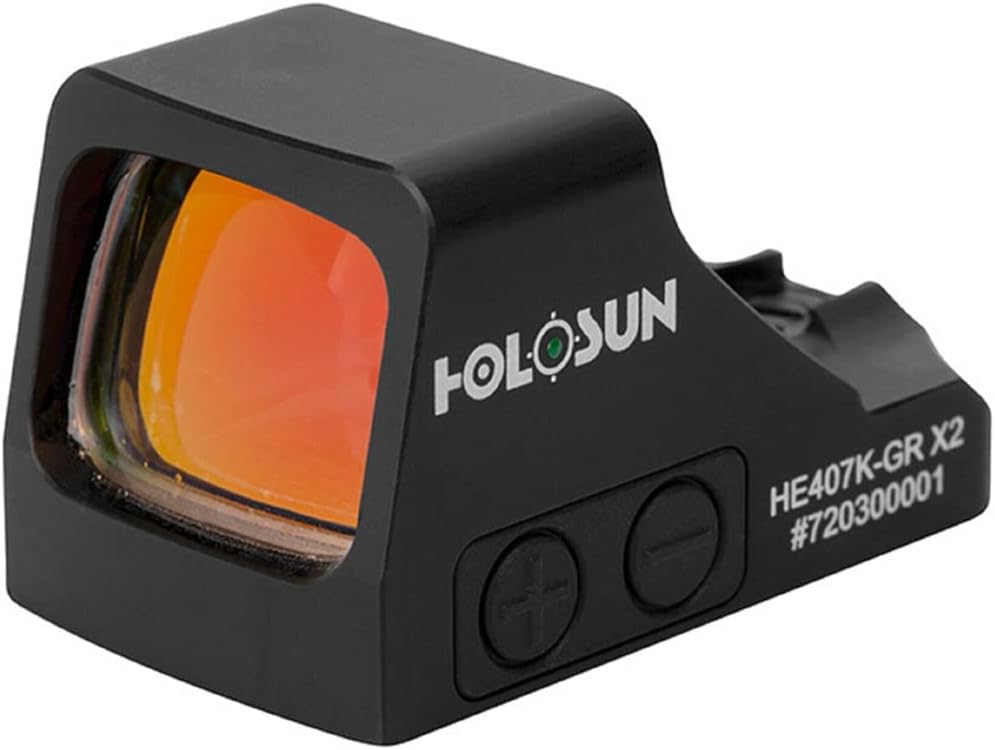
The 407K is one of the simplest, most reliable micro red dots I’ve used on the Glock 43X. It strips away unnecessary features and focuses on durability and clarity.
Specs:
- 6 MOA dot
- RMSc footprint (modified for Glock MOS)
- Side battery tray (CR1632)
- 50,000-hour battery life
- Aluminum housing
Pros:
- Excellent battery access
- Crisp dot with minimal bloom
- Durable for daily carry
Cons:
- Noticeable blue lens tint
- No multi-reticle system
My hands-on notes: The 6 MOA dot is ideal for defensive shooting—fast to pick up with minimal hunting. Parallax shift is minimal inside 15 yards, which is where this gun lives. The deck height allows a lower 1/3 co-witness with standard-height backup irons if you slightly modify the slide posts. Button tactility is solid even with gloves, and the side controls are easy to reach.
What people say online: Most shooters praise its reliability and battery tray. Complaints usually center around the tint and lack of advanced reticles.
Mounting clarity: Direct mount to Glock 43X MOS with minor filing of recoil lugs.
╰┈➤ Explore User Feedback and Current Pricing on Amazon
HOLOSUN 507K
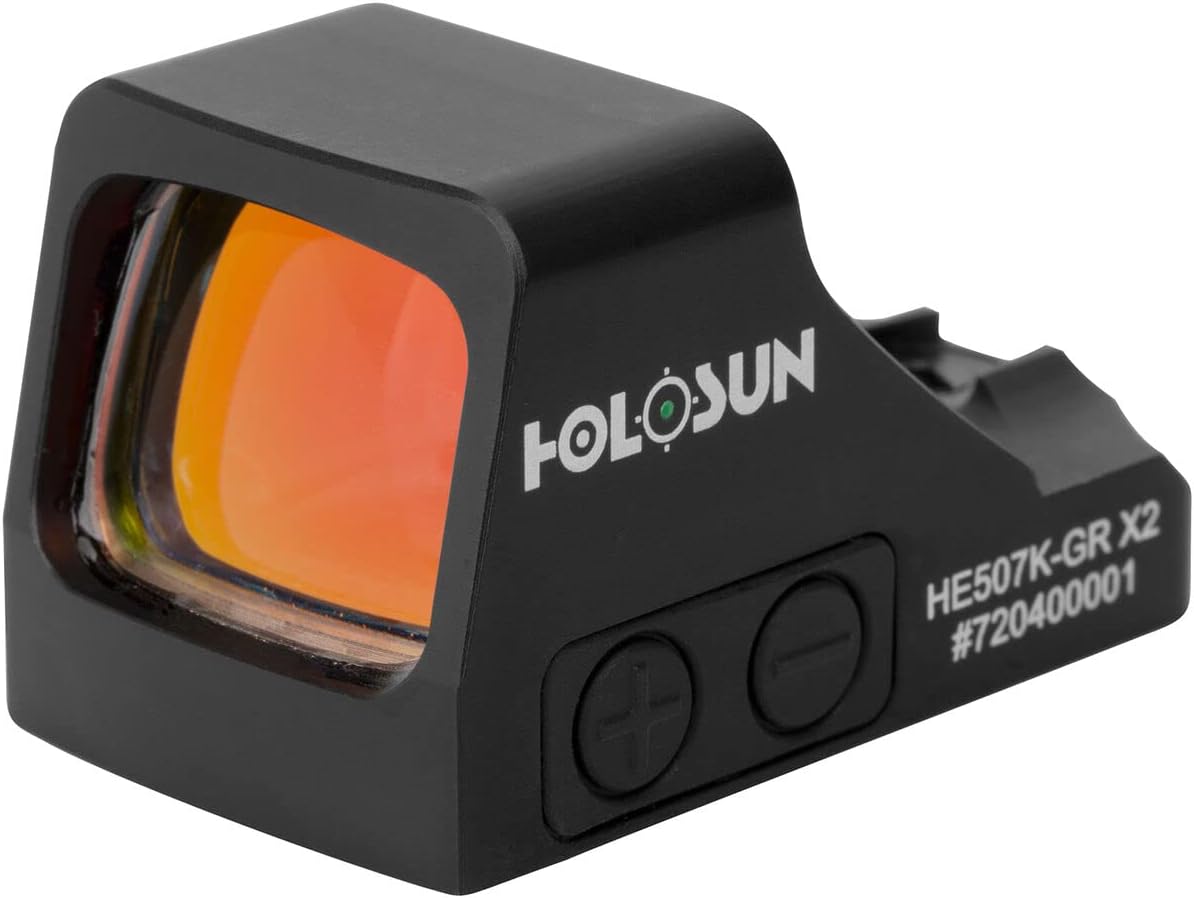
The 507K builds on the 407K by adding a multi-reticle system, which gives you flexibility for different shooting styles.
Specs:
- 2 MOA dot + 32 MOA circle
- Side battery tray
- Shake Awake technology
- 7075 aluminum housing
Pros:
- Multiple reticle options
- Strong housing construction
- Great battery system
Cons:
- Slightly busier reticle for beginners
- Same lens tint as 407K
My hands-on notes: I prefer the 2 MOA dot for precision and the circle-dot for faster acquisition. Under recoil, the reticle stays stable with minimal flicker. Parallax is well-controlled, though like most micro optics, edge distortion becomes noticeable at extreme angles. Co-witness remains low but usable with aftermarket sights.
What people say online: Users love the versatility. Some report they eventually stick to the simple dot after experimenting with the circle.
Mounting clarity: Direct mount with slight modification to Glock MOS lugs.
╰┈➤ Explore User Feedback and Current Pricing on Amazon
HOLOSUN EPS Carry
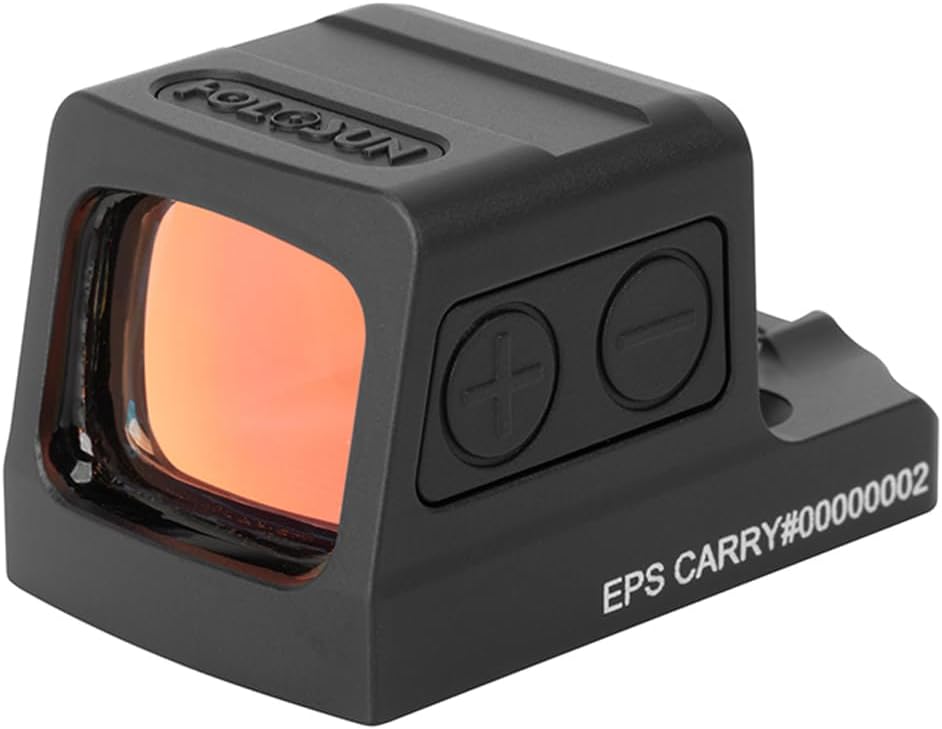
This is the most advanced optic on this list—and the only enclosed emitter option that truly fits the 43X ecosystem well.
Specs:
- Enclosed emitter
- 2 MOA dot or MRS options
- Solar backup
- Side battery tray
Pros:
- Fully enclosed emitter (no lint/debris issues)
- Clear glass with less tint
- Excellent durability
Cons:
- Slightly bulkier
- Higher price point
My hands-on notes: The enclosed emitter is a game-changer for concealed carry. No more worrying about lint blocking the emitter. The window is slightly smaller than open optics, but clarity is better. Parallax performance is excellent, and co-witness is slightly higher due to deck height.
What people say online: Widely praised as the best carry optic from Holosun. Some users note the smaller window compared to open designs.
Mounting clarity: Requires included plate for Glock 43X MOS.
╰┈➤ Explore User Feedback and Current Pricing on Amazon
Trijicon RMRcc
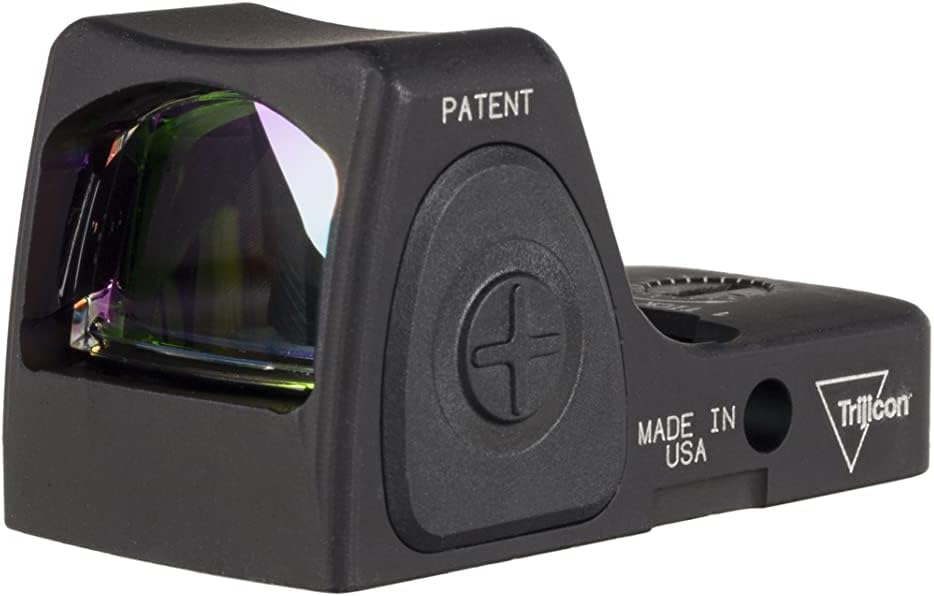
Trijicon’s micro carry optic is built like a tank, but it comes with tradeoffs.
Specs:
- 3.25 MOA dot
- Top-load battery
- Forged aluminum housing
Pros:
- Exceptional durability
- Proven brand reliability
- Minimal distortion
Cons:
- Requires adapter plate
- Higher deck height
My hands-on notes: This optic handles recoil better than almost anything in its class. The dot remains stable even during rapid strings. However, the adapter plate increases deck height significantly, making co-witness more difficult. Parallax is very well controlled.
What people say online: Shooters trust it for duty use but criticize mounting complexity.
Mounting clarity: Requires adapter plate for Glock 43X MOS.
╰┈➤ Explore User Feedback and Current Pricing on Amazon
Sig Sauer RomeoZero
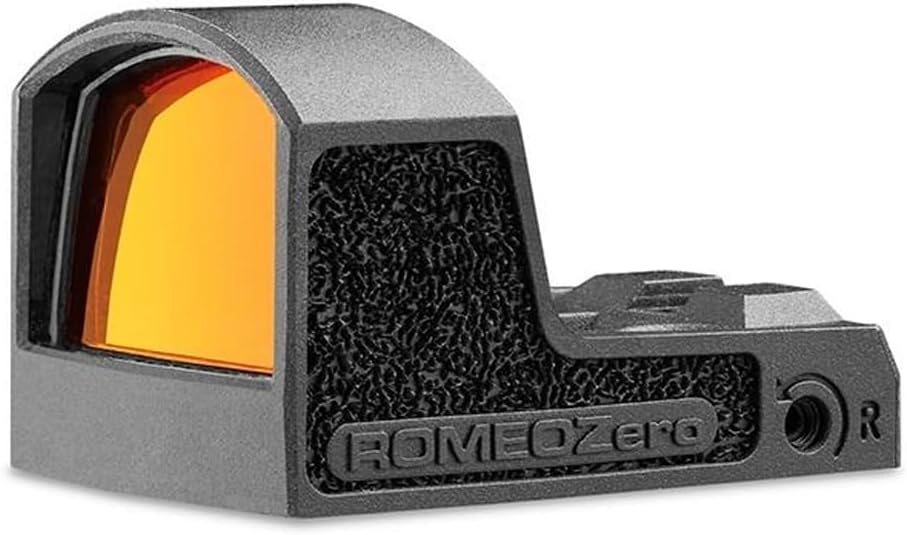
The RomeoZero is one of the lightest optics available, designed specifically for slim carry pistols.
Specs:
- Polymer housing
- 3 MOA dot
- Top-load battery
Pros:
- Extremely lightweight
- Affordable
- Direct fit
Cons:
- Less durable
- Lens scratches easier
My hands-on notes: The ultra-lightweight design helps maintain slide cycling balance. However, durability is noticeably lower than aluminum optics. Parallax is acceptable, but the window has more distortion near edges. Buttons are small and harder to use with gloves.
What people say online: Mixed reviews—great for budget builds, but not ideal for heavy use.
Mounting clarity: Direct mount to Glock 43X MOS.
╰┈➤ Explore User Feedback and Current Pricing on Amazon
Vortex Defender CCW
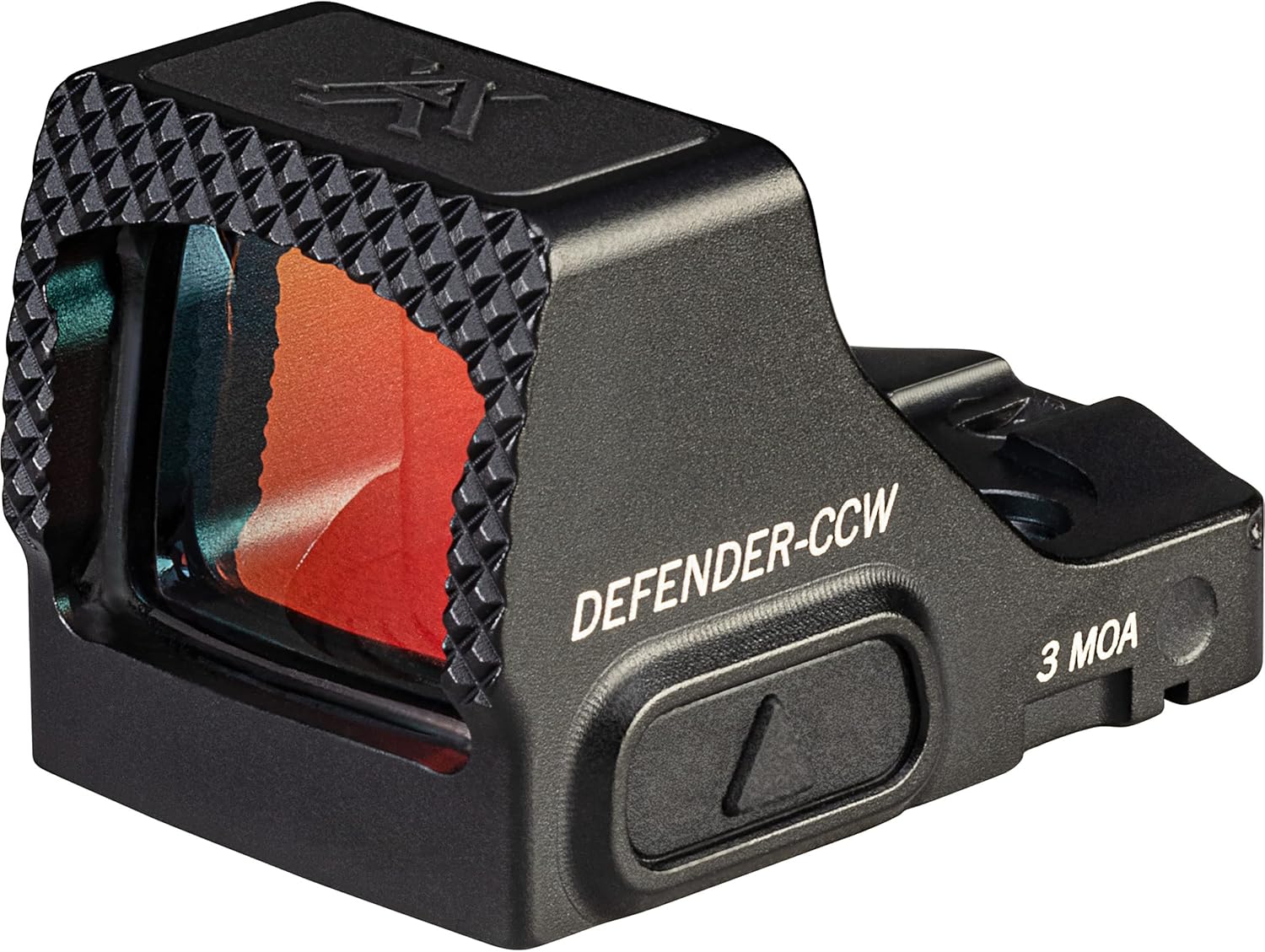
Vortex designed this optic specifically for concealed carry, and it shows.
Specs:
- 3 or 6 MOA dot
- RMSc footprint
- Top-load battery
Pros:
- Excellent warranty
- Good glass clarity
- Solid controls
Cons:
- Battery life shorter than Holosun
- Slightly thicker housing
My hands-on notes: The Defender CCW has one of the best button layouts I’ve used—large, tactile, and glove-friendly. The glass is clearer than most in this class, with minimal tint. Parallax is well managed, and co-witness is achievable with standard-height irons.
What people say online: Users appreciate the warranty and clarity. Battery life is the most common complaint.
Mounting clarity: Direct mount to Glock 43X MOS.
╰┈➤ Explore User Feedback and Current Pricing on Amazon
How I Tested / Evaluation Criteria
Parallax: I tested each optic by shifting head position at 10–25 yards. The best optics maintained dot stability with minimal shift. Micro optics inherently show more parallax than full-size units, but good ones keep it negligible inside defensive distances.
Co-witness / Deck Height: Deck height determines whether you can use backup irons effectively. Lower is better on the Glock 43X. Optics requiring plates usually compromise co-witness and slow down sight acquisition.
Durability: I evaluated how each optic handled repeated recoil cycles and minor impacts. Aluminum housings consistently outperform polymer, especially under slide-mounted stress.
Battery: Side-loading batteries are a major advantage. They eliminate the need to remove the optic and re-zero. Battery life also matters—some optics run for years, others for months.
Brightness Range: I tested visibility in bright daylight and low-light indoor environments. A usable optic must have enough brightness for outdoor use without blooming excessively in darkness.
Glass Quality: Lens clarity, tint, and distortion were carefully compared. Blue tint is common but varies in intensity. Distortion near the edges is typical in smaller windows.
Controls Ergonomics: Button placement and tactility matter more than most expect. Small, recessed buttons are harder to use under stress or with gloves.
Mounting Ecosystem: Direct mounting is ideal. Adapter plates introduce complexity, increase deck height, and can affect reliability if not properly installed.
How to Choose the Right Red Dot for This Gun
Choosing a red dot for the Glock 43X is less about picking the “best” optic overall and more about choosing the one that fits the platform’s limitations. The slimline frame forces compromises that don’t exist on larger pistols.
First, prioritize footprint compatibility. The Glock 43X MOS is designed around the RMSc pattern, but not all optics fit perfectly without modification. Direct-fit optics like the Holosun K-series or Vortex Defender CCW maintain a lower deck height, which directly improves shooting speed and co-witness capability.
Second, consider emitter design. Open emitters are more common and offer larger windows, but they’re vulnerable to debris. Enclosed emitters like the EPS Carry eliminate that issue entirely, making them ideal for concealed carry in dusty or lint-heavy environments.
Third, think about window size versus concealability. Larger windows are easier to use but can print more when carrying. Smaller windows require better presentation but are easier to conceal.
Battery system is another critical factor. If you have to remove the optic to replace the battery, you’ll need to re-zero. That’s inconvenient and introduces potential error. Side-loading batteries are a major advantage.
Durability should match your intended use. If this is a daily carry gun, you need something that can handle constant movement, sweat, and occasional impacts. Polymer optics may save weight but usually sacrifice longevity.
Finally, evaluate reticle preference. Simpler dots are faster under stress, while multi-reticle systems offer flexibility for training and range work.
FAQs
1. Do I need an adapter plate for the Glock 43X MOS? Not always. Many RMSc-pattern optics mount directly, though some require minor slide modifications.
2. What dot size is best for concealed carry? A 3–6 MOA dot is ideal. Larger dots are faster to acquire in defensive scenarios.
3. Are enclosed emitters worth it? Yes, especially for carry. They prevent debris from blocking the emitter.
4. Can I co-witness with factory sights? Usually no. You’ll need slightly taller aftermarket irons.
5. How often should I replace the battery? Once a year is a safe rule, even for long-life optics.
Conclusion
After extensive testing, the Best Red Dot for Glock 43x comes down to balancing durability, mounting simplicity, and real-world usability. If you want the most practical option, the Holosun 407K and 507K offer the best balance of performance and value. For maximum reliability in harsh conditions, the EPS Carry stands out with its enclosed emitter design.